
Mux Mool on Maschine, Opal Drums, and the future of live electronic performance
December 29, 2025 - Music ProductionWith Opal Drums, Denver-based producer Mux Mool and UK turntablist Jon1st are reshaping how electronic duos approach performance. Their debut single, “Burning Hammer,” introduces a world where lush, cinematic sound design meets raw, tactile percussion.
The project combines the spontaneity of live musicianship with the precision of modern production, building a conceptual narrative around alien monoliths, transformation, and human curiosity.
At the center of Mux Mool’s process is Maschine, a controller that has shaped both his solo work and his collaboration with Jon1st. As a longtime user, he relies on it for sketching rhythms, building performance-ready sequences, and maintaining continuity between the studio and the stage. It has become the centerpiece of his creative workflow, allowing him to move fluidly from writing to performing without losing energy or intent.
Jump to these sections:
- Building ideas through live rhythm
- Collaboration and speed with Opal Drums
- Studio to stage continuity
- Bridging two performance worlds
- Rethinking the line between producer and performer
Discover how you can use Maschine to merge creation and live performance.
You’ve been a longtime Maschine user. What is it about Maschine that makes it such a central tool in your production workflow?

As a producer who performs live sets rather than DJing, Maschine has been an instrument I’ve used live for a long time, and I try to bring that element of performance into my studio practice as much as possible. Pad drumming is a core part of how I initiate ideas quickly, and the pads on Maschine are perfect for this. They are responsive, and that level of trust is crucial for me when I commit to a piece of gear. It has become a core part of my workflow.
I also love how ergonomic and intuitive Maschine is. I can create and adjust drum kits and sounds quickly to fit what I’m working on, and it never breaks my workflow. Having a wide selection of effect chain presets and kits to draw from makes quick experimentation easy when an idea hits. All of that makes it a part of my studio setup that feels like a true extension of my creativity.
The physical build quality of Maschine is excellent. I trust it not to break down when performing or traveling with it.
When you’re building material for Opal Drums, do you approach programming in Maschine with the same mindset as you would when writing or performing as Mux Mool?
When I’m creating material for my Mux Mool project, I tend to think about the composition of a track as a whole. With Opal Drums, it’s a collaborative effort, so I do approach writing slightly differently.
We don’t often get long stretches to write together in the same place. So we’ve been experimenting with different track starter exercises to make the most of that time. For example, we’ll agree on a few variables like a shared key and tempo, then spend a short session doing sound design before we start writing.
Having Maschine in these scenarios lets me jam out a variety of percussive ideas in the moment or record automation to modulate effects and other parameters. This helps me create a large number of sound design variations on a motif quickly using the hardware controls on Maschine.
Does Maschine give you a sense of continuity between the studio and performing live?
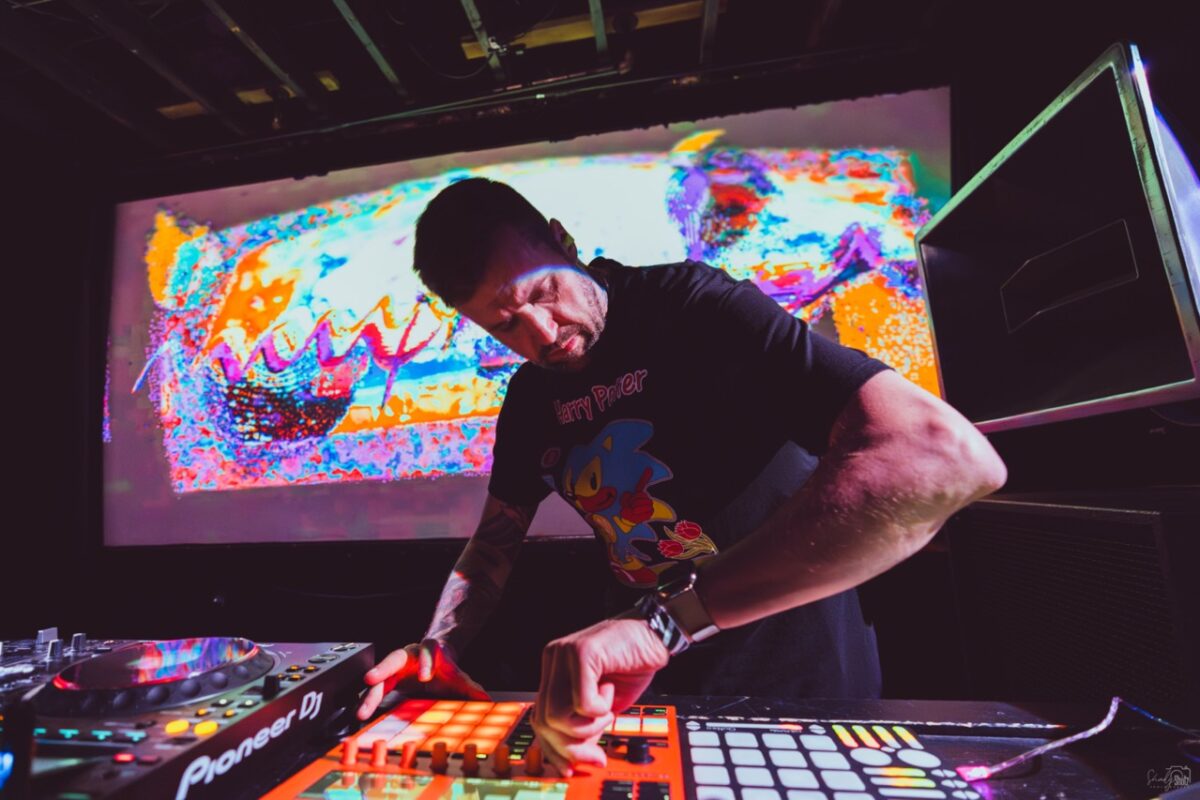
Having a piece of equipment that I can use in the studio and live is incredibly helpful. It makes the transition between those environments seamless. I don’t have to think too hard about how I will translate my studio productions live. I don’t have to learn multiple pieces of gear, because I can transfer patches I created while writing into my live performance projects. All my macros and controls from the writing process are right there.
Working with Maschine in these scenarios also informs the other. I might create an effects patch that works well in the studio, save it as a preset, and recall it live. I could also program a sequence in the moment at a show and recall it later in the studio. Having gear that gives me that type of continuity makes my creative process feel streamlined and fluid.
How do you see Maschine helping you bridge your electronic production style with Jon1st’s performance instincts in Opal Drums?

Using Maschine as an instrument and using a turntablist setup as an instrument have a lot of similarities. Both are studio and performance tools that let us jam with recordings in real time, and both can spark ideas in a different way than creating everything in the box with a mouse. We compose tracks that way too, but having immediate, tangible control in the studio, where we can both jam ideas out in ways that feel natural to us, gives us more creative options and keeps our writing process fresh for both of us.
Sharing that understanding with someone who has a deep history in performing that way creates a fun studio environment where we know we both appreciate and understand that about each other. Jon totally gets why I like to jam ideas out physically to get an idea down fast before it disappears, and it works the same in reverse.
I’m excited about how we will start translating our project into a live performance in the future. We both have a lot of history performing live, and I’m looking forward to learning new ways to incorporate our chosen gear and our ways of working in this partnership.
What advice would you give to producers who feel caught between being a DJ and a live act, and how does Maschine help navigate that line?
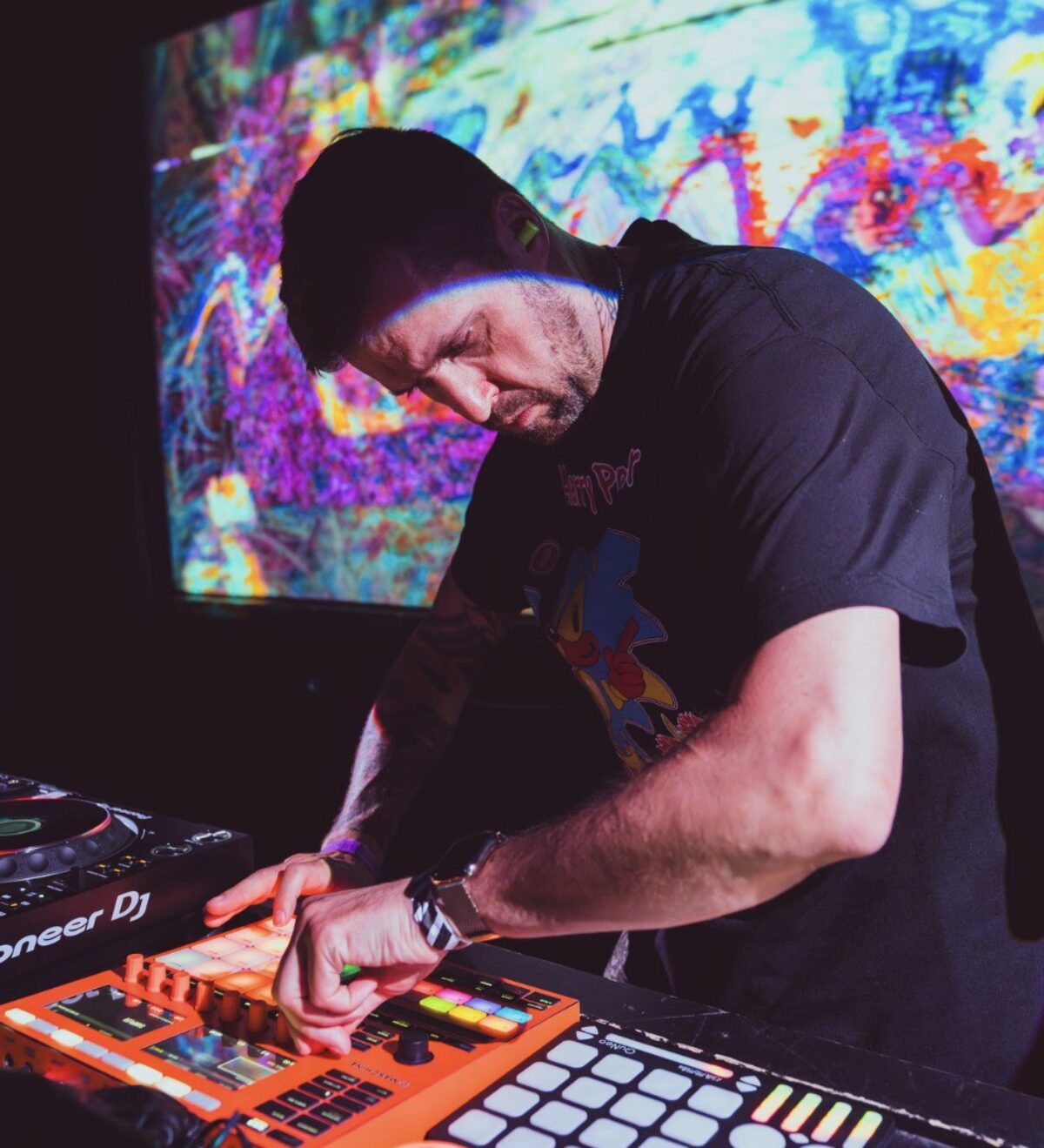
If you want to start incorporating live elements into your shows, think about small things you can do to heighten and emphasize the moods you want to create while DJing.
You could start by adding some of the live performance instruments from Maschine into your DJ sets to emphasize builds and breakdowns. That might be one-off sounds, vocal drops, or risers that heighten key suspenseful moments. These can help you shape the energy and mood you want while you play.
These moments can help you engage with your audience. There is something special about sharing that feeling with them, where they can see something being created on the spot.
By keeping the live elements simple, flexible, and useful across different musical situations, you start learning what you like to do live, what works for the audience, and what does not. Don’t overcomplicate things or create too much risk for something to go wrong. As you gain experience, you can add more moving parts, but try not to overwhelm yourself early on. Gear can feel different in an environment you are not used to.
Focus on making it comfortable and fun. You will also notice which elements made the crowd react. That is what you lock into with your productions in the studio, or use to refine your setup for the next show.
Wrapping it all up
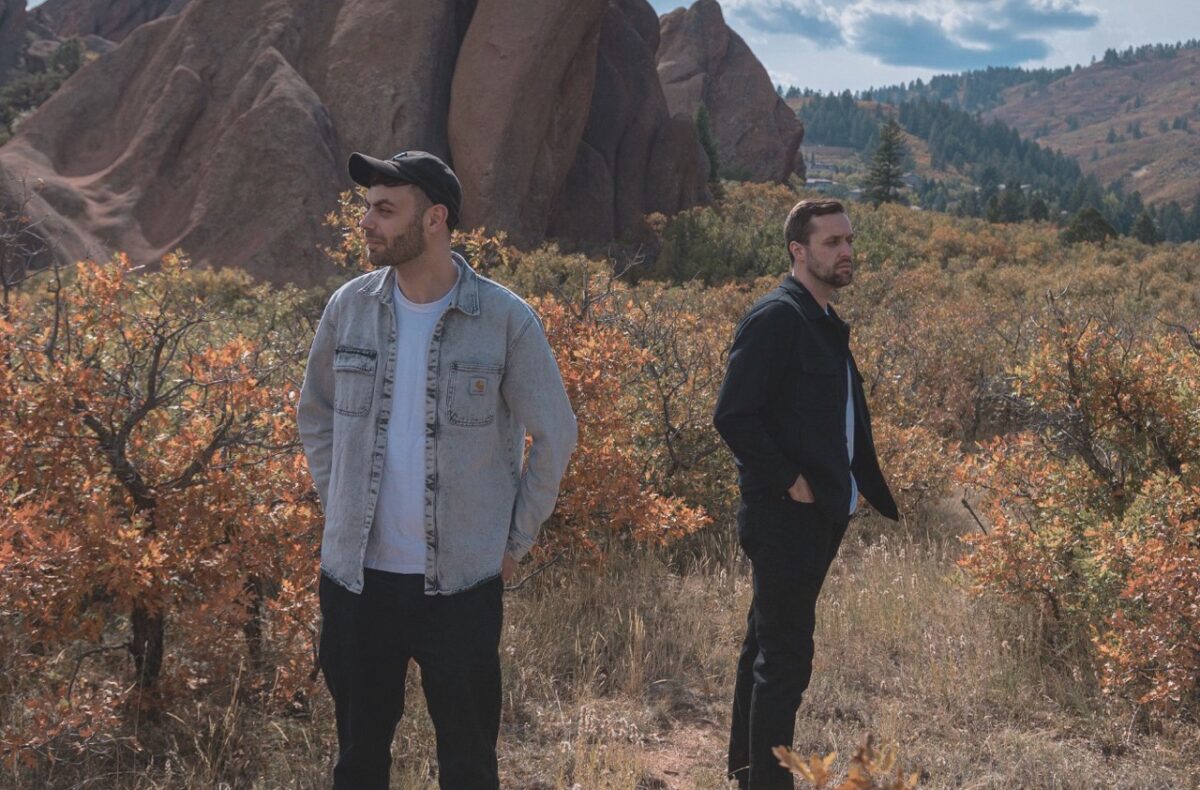
For Mux Mool, Maschine has become more than a production hub. It’s the connective tissue between solo creation, live improvisation, and full-scale collaboration. Within Opal Drums, it anchors a shared language between two performers who thrive on real-time interaction and detailed sonic exploration.
Their debut single, “Burning Hammer,” captures the essence of that collaboration. It feels cinematic yet percussive, blending atmosphere and groove into something that invites both movement and reflection.
As Opal Drums expands its world through future releases and live performances, Maschine remains the centerpiece, a tool that translates creative instinct directly into sound.
The post Mux Mool on Maschine, Opal Drums, and the future of live electronic performance first appeared on Native Instruments Blog.
The Weeknd Becomes The Only Artist In History To Have 30 Songs Cross A Billion Streams On Spotify
The Weeknd is no stranger to setting records and pushing boundaries, and he has done it once again. Except this time, the feat he has achieved is truly monumental. As of today, The Weeknd has become the only artist in history to achieve over one billion streams on not just [...]| Play | Cover | Release Label |
Track Title Track Authors |
|---|